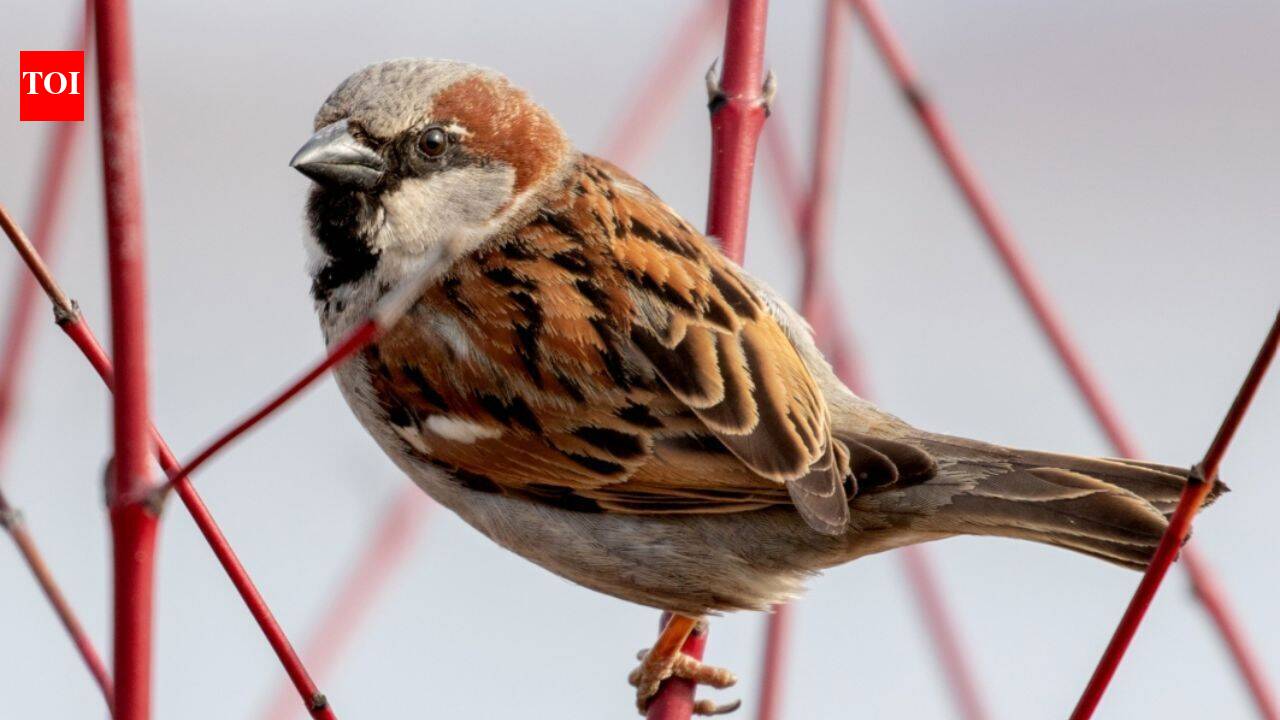
In 1867, Canterbury released 40 house sparrows to eat crop pests; within 15 years New Zealand was poisoning the birds and paying bounties after they began stripping grain crops

The Canterbury Acclimatisation Society liberated 40 sparrows in 1867. (Picture: Birds of the world) The house sparrow was brought to New Zealand in 1867 to help farmers deal with crop-eating insects, but the small bird soon became a problem of its own. Within a few years, while it grew in numbers, it also began damaging […]

In the 1930s, Florida introduced rhesus macaques to boost tourism; today the invasive monkeys carry a potentially fatal virus and are considered a public-health concern

Nonhuman primates (NHPs) can harbour multiple zoonotic pathogens owing to their close phylogenetic relationship and frequent interactions with humans. They can also be extremely successful ecological invaders. Within the United States, fewer than or equal to NHP species have been introduced and of them, the rhesus macaque has successfully established populations in Florida and Puerto […]