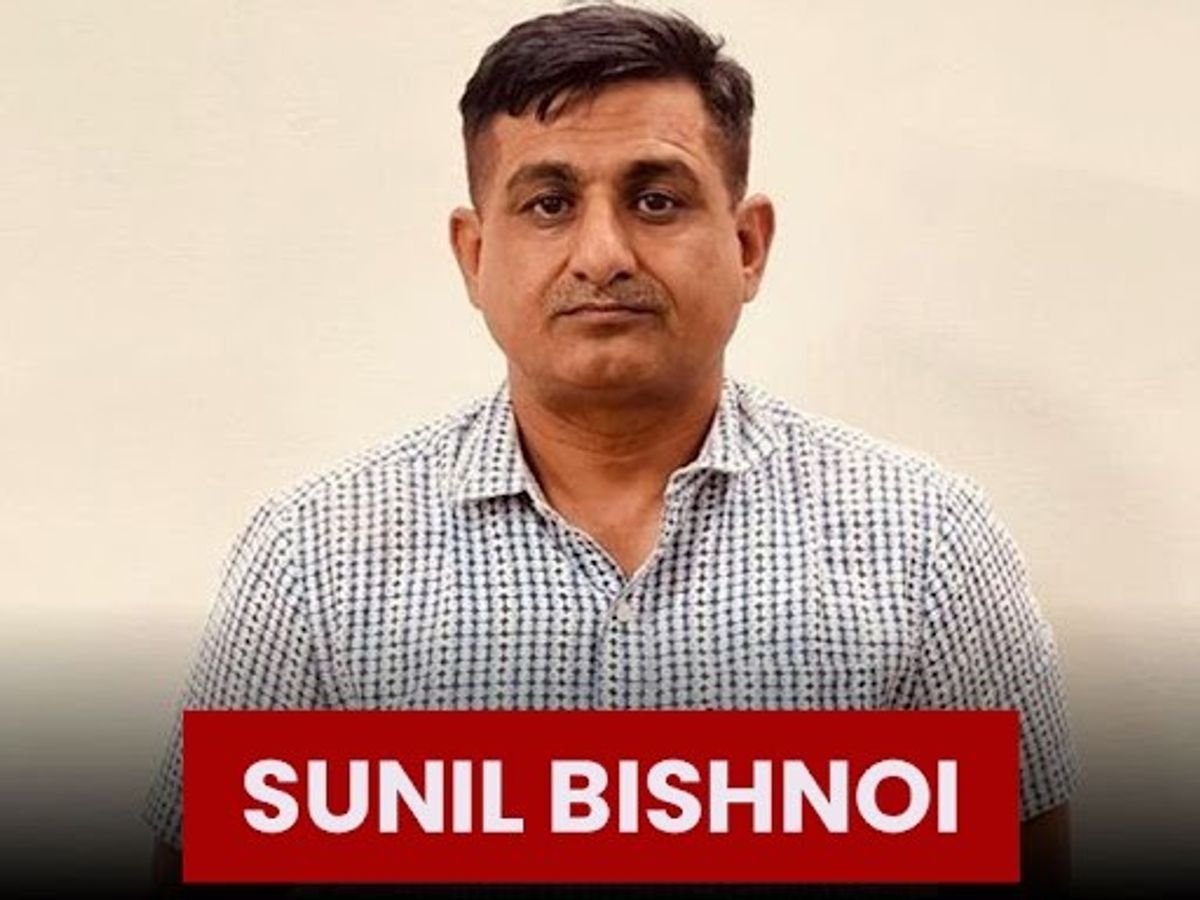
Case Takes New Turn as ASI Faces Fresh Allegation of Suppressing Theft ComplaintA fresh allegation has surfaced against an Assistant Sub-Inspector, already linked with a bribery-related controversy, after a complainant claimed that the officer failed to take proper action in a theft case despite the accused persons being clearly named. The matter has raised serious questions over police accountability, transparency in investigation, and the manner in which complaints from ordinary citizens are handled at the local level.According to the complainant’s claim, the theft case was not pursued with the seriousness it deserved. The complainant has alleged that even after providing names of the suspected accused, no effective police action was taken. Such allegations become more serious when they are connected to an officer already facing questions over alleged bribery, because it creates doubt in the public mind about whether justice is being delayed, diluted, or deliberately blocked.The complainant’s grievance is not merely about a delayed investigation. The larger concern is whether a theft complaint was intentionally suppressed or ignored. In any criminal complaint, especially one involving named accused persons, the investigating officer is expected to record statements, verify evidence, question suspects, and proceed according to law. When a complainant says nothing happened even after repeated requests, it naturally leads to public concern.At this stage, the allegation remains a claim made by the complainant, and the matter requires proper verification by senior police officials. However, the seriousness of the accusation cannot be brushed aside. If the complainant’s claim is found true, it could point toward negligence, misconduct, or abuse of authority. If found false, the officer must also get a fair chance to present his side. Either way, the matter now demands an impartial review.
Complainant Claims Accused Were Named, Yet Action Was Not TakenThe most important part of the complainant’s allegation is the claim that the names of the accused persons were provided to police, but even then, no meaningful action followed. In theft-related cases, naming suspects can be an important lead, though police are still required to verify the facts independently. A named allegation does not automatically prove guilt, but it does create a duty for the investigating agency to examine the claim seriously.The complainant has reportedly questioned why the investigation did not move forward if the suspects were already identified. This is the kind of question that ordinary citizens often ask when they feel trapped between crime on one side and procedural silence on the other. For a victim, losing property is already painful; feeling ignored by the system can make the situation even worse.Police procedure generally requires that a complaint be examined, evidence be collected, and the accused or suspects be questioned where necessary. If the complaint has merit, further legal steps can follow. If the complaint lacks evidence, police are expected to explain the status clearly and record the reasons. Silence or unexplained delay often creates suspicion, even when there may be administrative reasons behind it.The complainant’s allegation has therefore placed the focus on whether the theft complaint was handled according to procedure. Was the case properly registered? Were statements recorded? Were the named suspects questioned? Was any recovery attempt made? Was the complainant informed about the progress? These are the questions senior officials may need to examine if the matter is formally reviewed.
Bribery Allegation Makes the Matter More SensitiveThe allegation becomes more sensitive because the ASI is described as already being connected to a bribery-related matter. When a police officer faces bribery allegations, public trust naturally becomes fragile. Any further complaint against the same officer is then viewed through a sharper lens, especially when it involves alleged inaction in another case.It is important to state clearly that allegations must be proven through due process. However, the public expects a higher standard of conduct from law enforcement officers. Police personnel are not ordinary public servants; they are entrusted with power to register cases, investigate crimes, arrest accused persons, and protect citizens. When such power is allegedly misused or withheld, it affects confidence in the justice system.In this case, the complainant’s claim suggests that the theft case may have been suppressed or weakened. If an officer already under scrutiny for bribery is accused of not acting in another complaint, it becomes necessary for the department to ensure an unbiased investigation. Even the appearance of bias can harm the credibility of the police force.A transparent inquiry would help everyone involved. It would give the complainant a fair hearing, allow the officer to respond, and help the department establish whether procedure was followed. Without transparency, rumors grow faster than facts, and that is dangerous for both public trust and institutional reputation.
Police Accountability Under Public LensThe case once again highlights the growing demand for police accountability. Citizens approach police stations with the expectation that their complaint will be heard and acted upon. When they believe their complaint is being ignored, they often feel powerless. This feeling becomes stronger in cases where the complainant believes the accused are known and still no action is taken.Accountability does not mean assuming every police officer is guilty when a complaint is made. It means ensuring that every complaint against police conduct is examined fairly, quickly, and transparently. In a democracy, police power must always remain answerable to law. That is why internal review, supervisory control, and proper documentation are so important.Senior officials may need to look into whether the ASI followed the correct legal process in the theft complaint. If there was no action, the reason should be recorded. If action was taken, the complainant should be informed. If the matter was delayed, officials must find out whether the delay was justified or deliberate. These steps are not just administrative formalities; they are essential for justice.Public confidence in policing depends not only on solving major crimes but also on responding fairly to ordinary citizens. A theft case may seem small on paper, but for the victim, it can involve hard-earned money, personal belongings, emotional distress, and a long fight for justice. That is why such complaints must never be treated casually.
Why the Alleged Suppression of a Theft Case MattersTheft cases are often seen as routine, but they matter deeply to victims. A stolen item may represent years of savings, family memories, business survival, or daily livelihood. When a complainant alleges that police did not act despite knowing the suspects, the issue goes beyond one lost item. It becomes a question of whether the legal system is accessible to common people.If police complaints are not pursued properly, victims may stop reporting crimes. That creates a dangerous cycle. Criminals feel encouraged, victims feel abandoned, and public faith in law enforcement declines. This is why even a seemingly local theft complaint can become a major issue when allegations of suppression or negligence are attached to it.The complainant’s claim also raises concerns about whether influence, pressure, or corruption played any role in the alleged inaction. These are serious possibilities that cannot be assumed without evidence, but they cannot be ignored either when an officer is already facing bribery-related allegations. A clean investigation is the only way to separate fact from suspicion.For the police department, this is an opportunity to demonstrate that complaints against its own personnel are taken seriously. A fair review can either confirm wrongdoing or clear doubts. Both outcomes are better than silence.
Need for an Impartial InquiryGiven the nature of the allegations, an impartial inquiry appears necessary. The inquiry should examine the complainant’s original theft complaint, the names allegedly provided, the action taken by the ASI, and whether the complainant was informed about the progress of the case. It should also check whether any procedural rules were ignored.An impartial inquiry does not mean immediate punishment. It means fact-finding. The officer concerned should be allowed to present records, case diary details, notices issued, statements recorded, or any action taken. At the same time, the complainant should be given a fair chance to submit documents, witnesses, or any proof supporting the allegation of inaction.If the inquiry finds negligence, departmental action may be required. If it finds deliberate suppression, the matter may become more serious. If no wrongdoing is found, the police department should still communicate the case status clearly to the complainant. Transparency is the simplest way to reduce mistrust.The most important thing is that the inquiry should not be handled casually. When police personnel are accused of misconduct, internal silence damages the institution more than public criticism. A department that investigates itself honestly earns more respect than one that avoids difficult questions.
Public Trust Depends on Transparent ActionPublic trust in policing is built slowly but can break quickly. Every unresolved complaint, every unanswered question, and every allegation of bribery or suppression weakens that trust. In this matter, the complainant’s allegation has already brought the issue into public discussion. Now the response of the authorities will determine whether confidence is restored or further damaged.Transparency does not require revealing every sensitive detail of an investigation. It simply requires responsible communication. The complainant should know whether the case is pending, closed, under inquiry, or transferred. Citizens should not be forced to run from one office to another just to understand what happened to their complaint.This case also underlines the need for better monitoring of complaints at the police station level. Senior officers must ensure that theft complaints are not ignored simply because they appear minor. For a victim, no crime is minor when it affects personal security and dignity.The allegation against the ASI should therefore be treated as more than an individual complaint. It should be viewed as a test of institutional accountability. When citizens believe that even police officers can be questioned and reviewed, their faith in justice becomes stronger.
What Happens NextThe next step depends on whether the complainant formally approaches senior police officials, anti-corruption authorities, or judicial forums with the allegation of inaction. If a written complaint is submitted, the department may be expected to review the theft case records and examine the conduct of the ASI. The complainant may also seek updates through legal channels if the case has not progressed.For now, the key issue remains the complainant’s claim that no action was taken despite naming the accused. The police side has not been included in the available details, so the full picture is still incomplete. A complete and fair version can emerge only after official records and responses are examined.In sensitive cases like this, both sides must be handled carefully. The complainant deserves to be heard, and the officer deserves due process. But due process cannot become an excuse for delay. If there has been wrongdoing, action should follow. If there has been no wrongdoing, the facts should be placed clearly before the complainant and relevant authorities.The matter is expected to remain under public attention because it involves two serious concerns: an officer linked to bribery allegations and a complainant alleging suppression of a theft case. Both issues strike at the heart of public trust in policing.
ConclusionThe allegation against the ASI has raised important questions about police conduct, complaint handling, and accountability. The complainant claims that a theft case was not acted upon even after the accused were named, while the ASI is already connected to a bribery-related allegation. These claims require a fair, transparent, and impartial review so that the truth can come out.For ordinary citizens, justice begins at the police station. When that first step feels blocked, the entire system appears distant and unfair. That is why authorities must treat such complaints seriously, not only to resolve one case but also to protect public confidence in law enforcement.The final outcome will depend on official inquiry, available records, and the response of the concerned police authorities. Until then, the matter remains an allegation that demands attention, verification, and lawful action.
FAQs1. What is the main allegation against the ASI?The ASI has been accused by a complainant of suppressing a theft case and not taking action despite the accused allegedly being named.2. Has the allegation been proven?No. Based on the available information, the claim remains an allegation by the complainant and requires official verification.3. Why is the case sensitive?The matter is sensitive because the ASI is already linked with a bribery-related allegation, making the fresh claim of police inaction more serious.4. What action can senior officials take?Senior officials can review the theft complaint, examine case records, question the concerned officer, hear the complainant, and order departmental action if negligence or misconduct is found.5. Why does this case matter to the public?The case matters because it involves police accountability. If citizens believe complaints are ignored or suppressed, trust in law enforcement weakens.