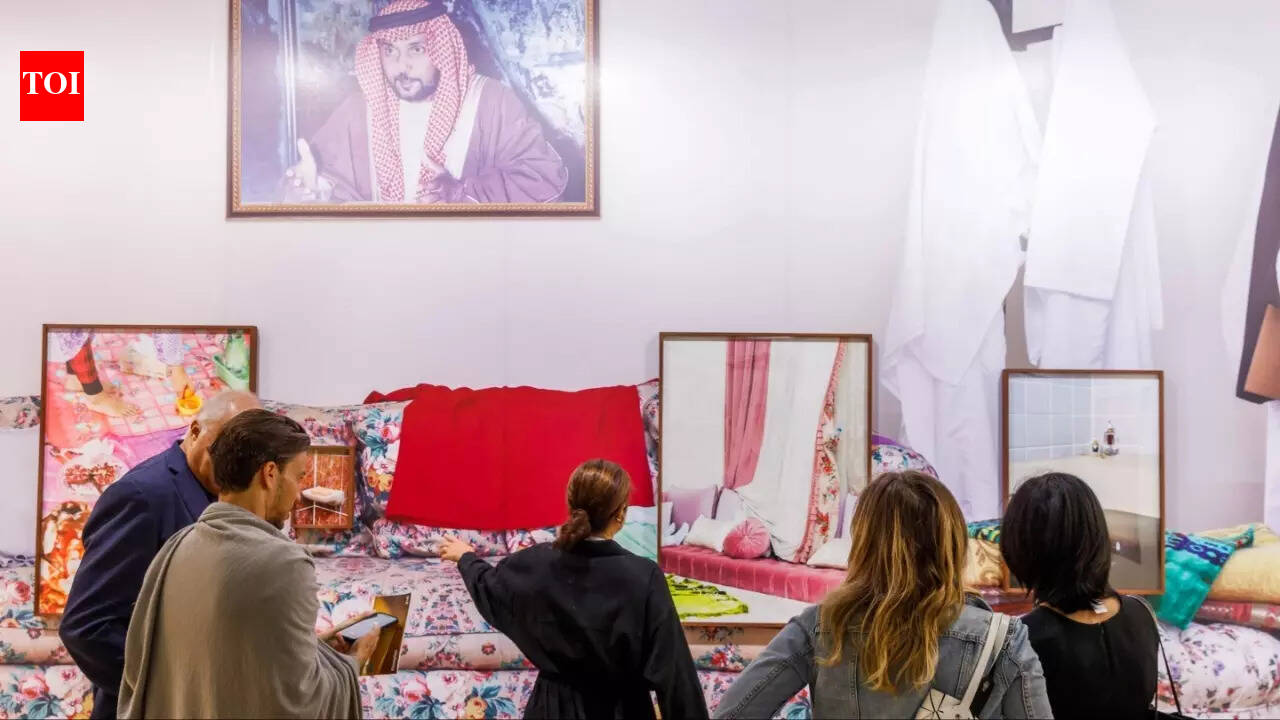
The inaugural Art Basel Qatar has officially opened in Doha, marking a significant milestone for the international art world and for the Middle East, North Africa and South Asia (MENASA) region. Instead of simply transplanting the familiar Art Basel formula from Basel, Miami Beach or Hong Kong, this edition has been designed specifically for its host city and region, bringing a fresh format, a strong curatorial vision and deep engagement with local and regional artistic narratives.Running from February 05-07, 2026, with preview day on February 04, Art Basel Qatar has quickly become one of the most exciting cultural events on the global arts calendar this year.
Qatar’s Art Basel fair rooted in place, not replicated elsewhere
Unlike previous Art Basel fairs, which typically feature tight rows of gallery booths, Art Basel Qatar adopts a more open, thematic structure developed in collaboration between Art Basel’s global leadership and artistic director Wael Shawky, a well-known Egyptian artist celebrated for his thoughtful and historically rich practice. The event is shaped around the theme “Becoming,” a meditation on transformation and transition that resonates both regionally and universally. Shawky emphasises that the goal was not to reproduce an existing model in a new place but to co-create a platform rooted in and inspired by Qatar and the wider region. This focus allows galleries to present solo artist exhibitions that invite deeper engagement with individual practices and contexts, rather than fragmented fair booths.
Art Basel Qatar’s new format
Art Basel Qatar brings together 87 galleries from 31 countries, presenting the work of 84 artists across venues in Msheireb Downtown Doha, especially around M7 and the Doha Design District, integrating exhibitions with public spaces and performances throughout the city. More than half of the artists represented hail from the MENASA region, including acclaimed figures such as Ali Banisadr, Mona Hatoum, Simone Fattal, Iman Issa and others whose work bridges local experience with broader global discourse.This balance between regional representation and international scope signals the fair’s dual mission: to amplify voices from the Middle East and neighbouring regions while situating them within a global art ecosystem that includes major Western galleries and collectors.
احتفاءً بالنسخة الأولى من معرض آرت بازل في قطر
بين المعارض ولحظات الإلهام، اكتشفوا تحفتنا الفنية، پلاس ڤاندوم 🎨✨Marking the first Art Basel in Qatar.
Between exhibitions and moments of inspiration, discover our own masterpiece, Place Vendôme 🎨✨ pic.twitter.com/LaBd61ZeHm— Place Vendôme Qatar (@PlaceVendomeQa) February 3, 2026
One of the most distinctive choices in Art Basel Qatar’s format is its emphasis on narrative and context over commercial display. Instead of cramming as many works as possible into a limited space, galleries are encouraged to present complete bodies of work by individual artists, giving visitors time to immerse themselves in artistic narratives, rather than merely browsing for buying opportunities.Art Basel Qatar’s organisers describe this shift as a way to “go slower, go deeper”, positioning the fair not simply as a marketplace but as a cultural platform that responds to the realities of this region and fosters dialogue between artists, audiences, institutions and collectors.
Doha’s emerging role as a cultural bridge
The choice of Doha as the host city reflects its growing reputation as a cultural hub that bridges East and West. Qatar has invested heavily in world-class cultural infrastructure, from the Museum of Islamic Art to the new Art Mill Museum and national presence at major global art events and the arrival of Art Basel Qatar cements its position on the global cultural map. Art Basel’s introduction here follows years of local initiatives and partnerships aimed at nurturing the region’s art ecosystem, including citywide programs led by Qatar Museums and other public and private stakeholders that activate exhibitions, public art and cultural engagement across Doha. For many regional galleries, this inaugural edition represents a historic first with Art Basel. Galeries such as Cairo’s Gallery Misr, Dubai’s Tabari Artspace and Beirut’s Saleh Barakat Gallery are participating in an Art Basel event for the first time, bringing fresh perspectives into global conversations and strengthening the presence of regional talent in the international market.Artists such as Adel Abidin, whose work explores marginalized histories and memory, and Hazem Harb, whose layered imagery reimagines cultural memory, demonstrate how the fair foregrounds voices that address history, identity and transformation — resonating with the broader theme of “Becoming.”
Art market momentum in the MENASA region
Art Basel Qatar arrives at a time when interest in art from the Middle East and surrounding regions is on the rise. Market data suggests that works by artists from the region are gaining recognition and value globally, a trend that Doha’s fair is poised to accelerate by bringing new audiences, collectors and curators into direct engagement with regional production. This growing momentum is further supported by partnerships with logistics experts and cultural stakeholders, such as Gulf Warehousing Company being named the official logistics partner, which help ensure the fair’s operations meet international museum standards and strengthen infrastructure for future art events in the region.Art Basel Qatar’s launch in Doha is not just another stop on a global circuit, it is a reimagining of what a major art fair can be when shaped by the cultural, historical and social contexts of its host. By prioritising engagement, narrative and regional visibility, this inaugural edition not only enriches the MENASA art landscape but also positions Doha as a crossroads for creative exchange and cultural innovation.
Jenny Holzer stages a spectacular surprise in the skies over Doha: A monumental text work and drone performance launches #ArtBaselQatar week and marks the start of the Gulf’s most ambitious year for art to date
On the eve of VIP Preview Day, Doha’s Museum of Islamic Art was… pic.twitter.com/fsW5tytDew— Art Basel (@ArtBasel) February 3, 2026
As collectors, artists and audiences converge over the next few days, Art Basel Qatar stands as a testament to the region’s growing influence in the global art world.