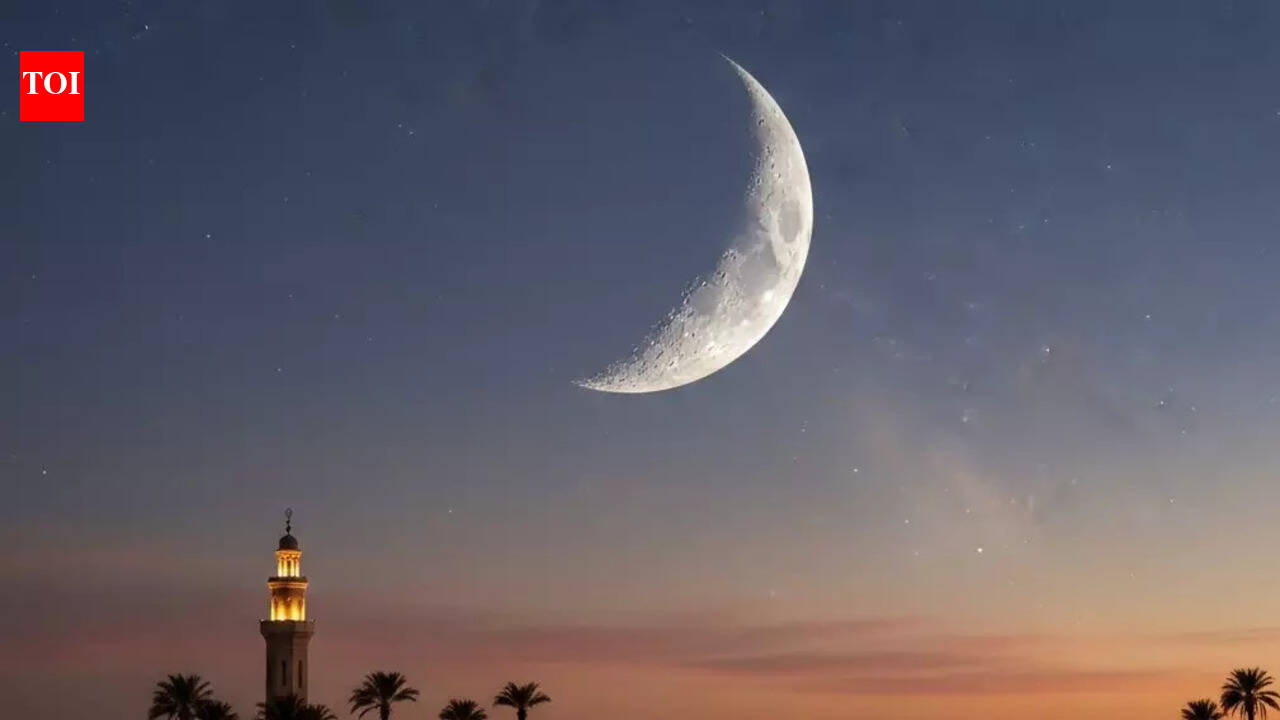
Saudi Arabia’s official moon-sighting committees reported that the crescent moon marking the start of Shaaban 1447 AH was not sighted on the evening of January 18, 2026. As a result, Monday, January 19, 2026, will be observed as the 30th day of Rajab, and the new month of Shaaban will begin on Tuesday, January 20.Shaaban is the eighth month of the Islamic lunar calendar and precedes Ramadan, the holy month when Muslims fast from dawn until sunset. The sighting, or non-sighting, of the crescent determines the length of the preceding month and subsequently influences the dates for Ramadan.
How Shaaban Moon determines Ramadan dates ?
In Islam, the start of each lunar month is traditionally confirmed by sighting the new crescent moon (hilal). If the moon is not seen on the 29th day of the current month, in this case, Shaaban, that month automatically completes 30 days, and the new month begins the following day. This practice is followed by many Muslim-majority countries and communities, including Saudi Arabia.Once Shaaban is underway, authorities and moon-sighting committees across the Kingdom and other countries will look for the crescent moon that signals the beginning of Ramadan. If the Ramadan crescent is sighted on the 29th day of Shaaban, the fasting month begins the next day. If not, Shaaban completes 30 days, and Ramadan starts the following day.Astronomical predictions and expert forecasts currently suggest that Ramadan 2026 is likely to begin in mid-February, with many calendars estimating February 18 or February 19 as the first day of fasting, but this will only be confirmed once the crescent is sighted.
Estimated Ramadan 2026 dates
One of the most exciting aspects of the 2026 season is the weather. For the first time in years, the UAE and Saudi Arabia will experience a “Winter Ramadan.” With temperatures in mid-February forecast to hover between 16°C and 28°C, the physical toll of fasting will be significantly lighter. This cooler climate is expected to bring a vibrant atmosphere to outdoor Iftars and Suhoors, making the community experience even more festive.
Important dates
The confirmation of Shaaban also allows families to mark their calendars for other significant religious milestones. Based on the current lunar cycle, here are the dates to keep an eye on:
- Shab-e-Barat (15th of Shaaban): Expected on the night of Tuesday, February 3, 2026. This is widely observed as a night of forgiveness and deep reflection.
- The Final Moon Sighting: The search for the Ramadan crescent will take place on either February 17 or 18.
Eid Al Fitr 2026 : Early predictions suggest the fasting month will conclude on Thursday, March 19, with Eid celebrations likely starting on Friday, March 20, 2026.
For the average resident, this announcement is the cue to start logistical planning. In Dubai and Abu Dhabi, the 2026 Ramadan schedule coincides with school Spring Breaks (starting March 16), which means many families will be able to enjoy the final ten days of the Holy Month and the Eid holidays together without the pressure of early school runs.