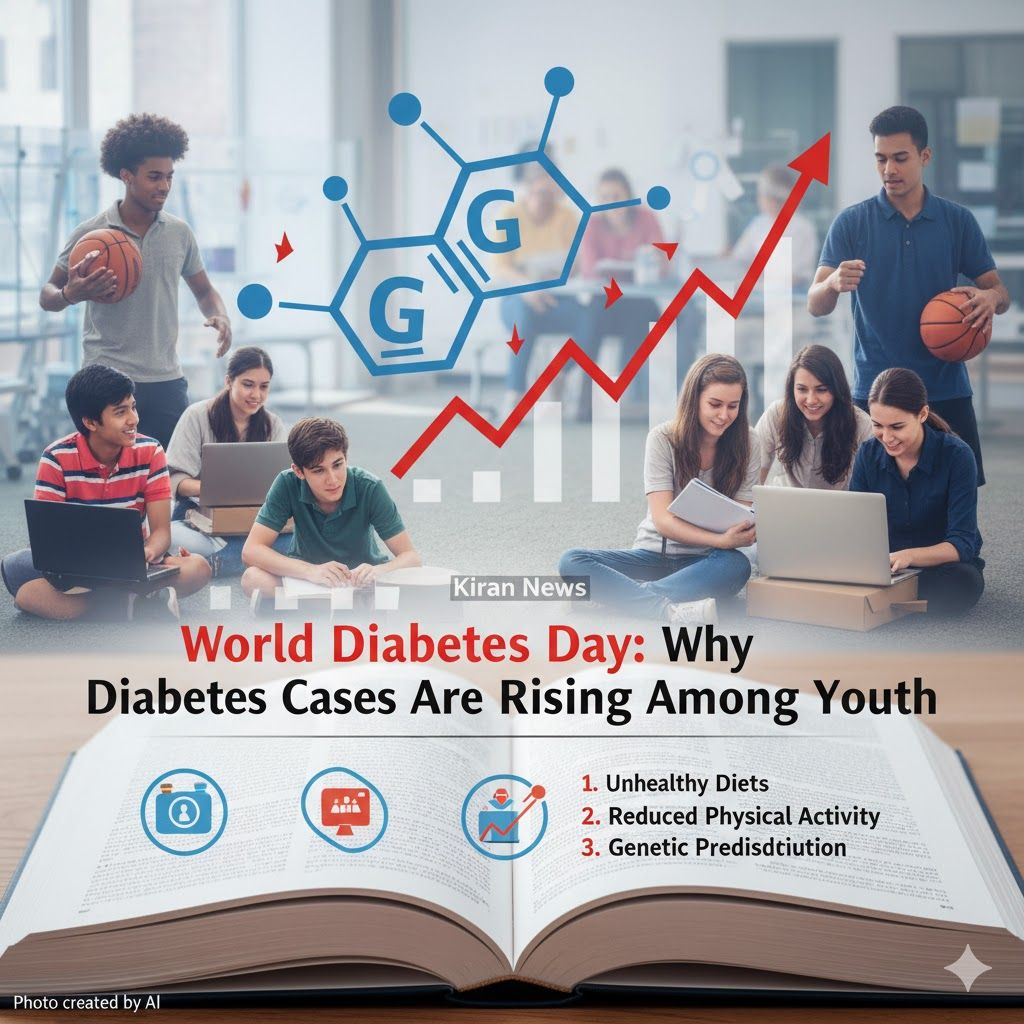
New Delhi, 13 November (Udaipur Kiran)। Diabetes has emerged as one of the fastest-growing health challenges globally, affecting people of all age groups — from children to the elderly. Every year, 14 November is observed as World Diabetes Day to spread awareness about prevention, diagnosis, and early management of this disease.
World Diabetes Day was first observed in 1991, initiated jointly by the International Diabetes Federation (IDF) and the World Health Organization (WHO). Despite awareness efforts, cases continue to rise sharply. As per global estimates, by 2025, 1 in 3 people worldwide are likely to have diabetes, while 1 in 4 individuals may be unaware that they are prediabetic.
According to WHO and IDF data, diabetes is rising faster among adults due to high stress, unhealthy lifestyles, sedentary habits, and poor nutrition. Globally, 1 in 9 adults is living with diabetes, and nearly 40% of young people do not even realize they have the condition. WHO projects that by 2025, almost 830 million people worldwide will be living with diabetes — a number expected to grow further.
What is Diabetes?
After eating, the body converts food into glucose, which provides energy. To use this glucose, the body needs insulin, a hormone produced by the pancreas. When the pancreas fails to produce enough insulin or the body doesn’t use it properly, glucose does not reach the cells and instead builds up in the bloodstream. This condition is known as diabetes.
Types of Diabetes
Type 1 Diabetes: The pancreas stops producing insulin completely. This is a severe condition and requires lifelong insulin support.
Type 2 Diabetes: The most common form, often linked to lifestyle factors. It can be managed or controlled with timely intervention.
Gestational Diabetes: Occurs during pregnancy and needs careful monitoring.
Type 2 and gestational diabetes can often be controlled with early diagnosis, healthy lifestyle changes, and regular medical care. However, Type 1 diabetes poses a higher long-term risk, affecting organs such as the kidneys, eyes, and heart.