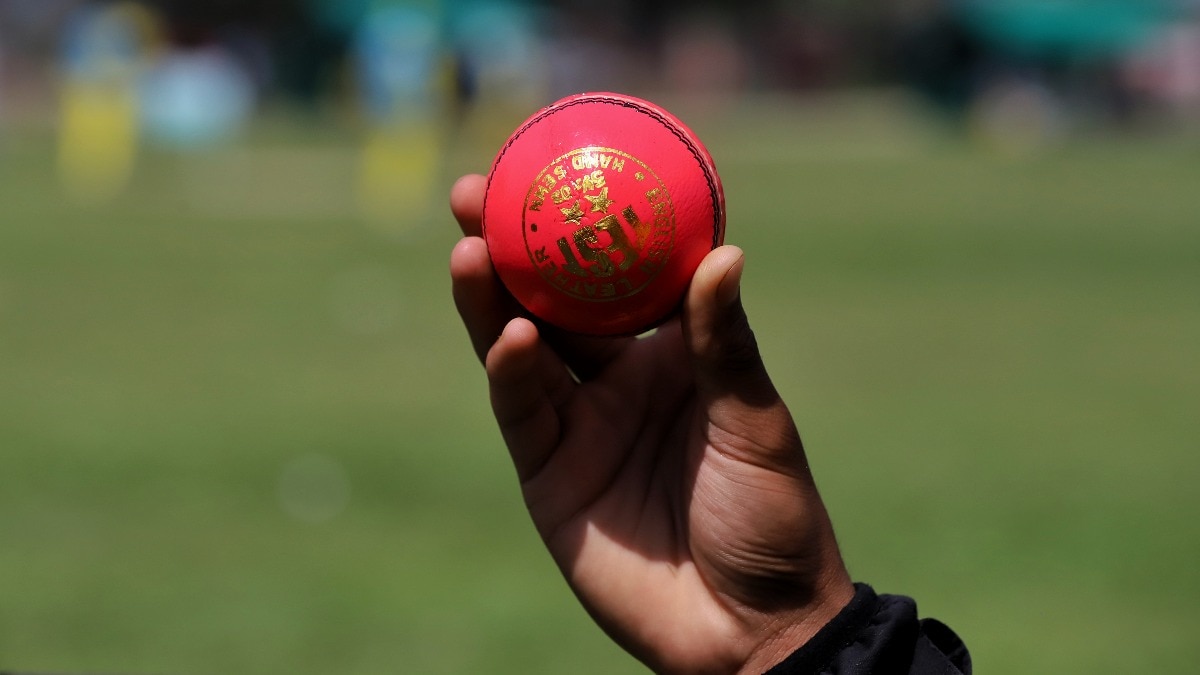
The ICC has approved a trial in Test cricket that would allow a switch from the red ball to the pink ball when bad light threatens play, with floodlights used to maximise the chances of completing overs. The move, cleared at the Board’s annual meeting in Ahmedabad, will apply only if both participating teams agree to it before the start of a series.
The decision was part of a wider set of playing-condition changes passed during the two-day meeting. The ICC Board also approved allowing head coaches onto the field during drinks intervals, gave match officials access to Hawk-Eye data when considering illegal bowling actions, and confirmed the permanent adoption of the leg-side wides trial. The Board also suspended Cricket Canada for serious breaches of its membership obligations and delegated senior ICC officials to oversee the Bangladesh Cricket Board elections.
In its statement, the ICC said it would be “trialing the use of a pink ball in Test matches, with prior agreement from both teams, to maximise play in case of anticipated bad light.” It is understood that matches will still begin with the traditional red ball, but if the light fades, floodlights can be switched on and the pink ball introduced to cover overs that might otherwise be lost.
The working model is straightforward. A full day in a Test is scheduled for 90 overs. If 75 overs have been bowled with the red ball and bad light leaves 15 overs uncompleted, those overs could be played with the pink ball under lights, provided both sides had accepted that arrangement before the series began. The trial is designed to address a familiar problem in Test cricket without reducing the scheduled volume of play.
Whether all teams will be comfortable with that compromise is another matter. Indian players have previously expressed reservations about pink-ball Tests at home, and it remains to be seen whether they would agree to the partial use of a pink ball, which can alter the course of a match because of its pronounced seam movement. Alongside the trial, the ICC Board also approved research into lighting technology for match officials and venues to reduce time lost to poor light, with the ICC co-funding research and development projects alongside the Marylebone Cricket Club.
The Board also signed off on a notable shift in on-field support during Tests. In a move that mirrors the strategic time-outs seen in T20 cricket, head coaches or their nominees will now be allowed to consult with teams during scheduled drinks intervals. The updated playing conditions also mandate 15-minute intervals in T20Is and require batters to be ready when play resumes.
On officiating and regulation, the ICC has opened up Hawk-Eye data to match officials when they are considering whether to report a suspect bowling action. The wording approved by the Board allows officials to access Hawk-Eye information while assessing a potential illegal bowling-action report, a change aimed at strengthening scrutiny around chucking. The Board also approved the permanent adoption of the leg-side wide trial.
WOMEN’S CHAMPIONS TROPHY SHIFTED
All the revised ICC playing conditions will come into force from 1 October 2026. In women’s cricket, the Board moved the ICC Women’s Champions Trophy 2027 from its original June-July window to 14-28 February 2027. It also approved the Women’s Emerging Nations Trophy 2026 as a 10-team pilot event featuring five Full Members and five Associate Members selected on rankings and previous T20 World Cup qualification.
Taken together, the decisions from Ahmedabad reflect the ICC’s efforts to protect playing time, strengthen officiating tools and reshape parts of the game’s schedule and structure.
– Ends