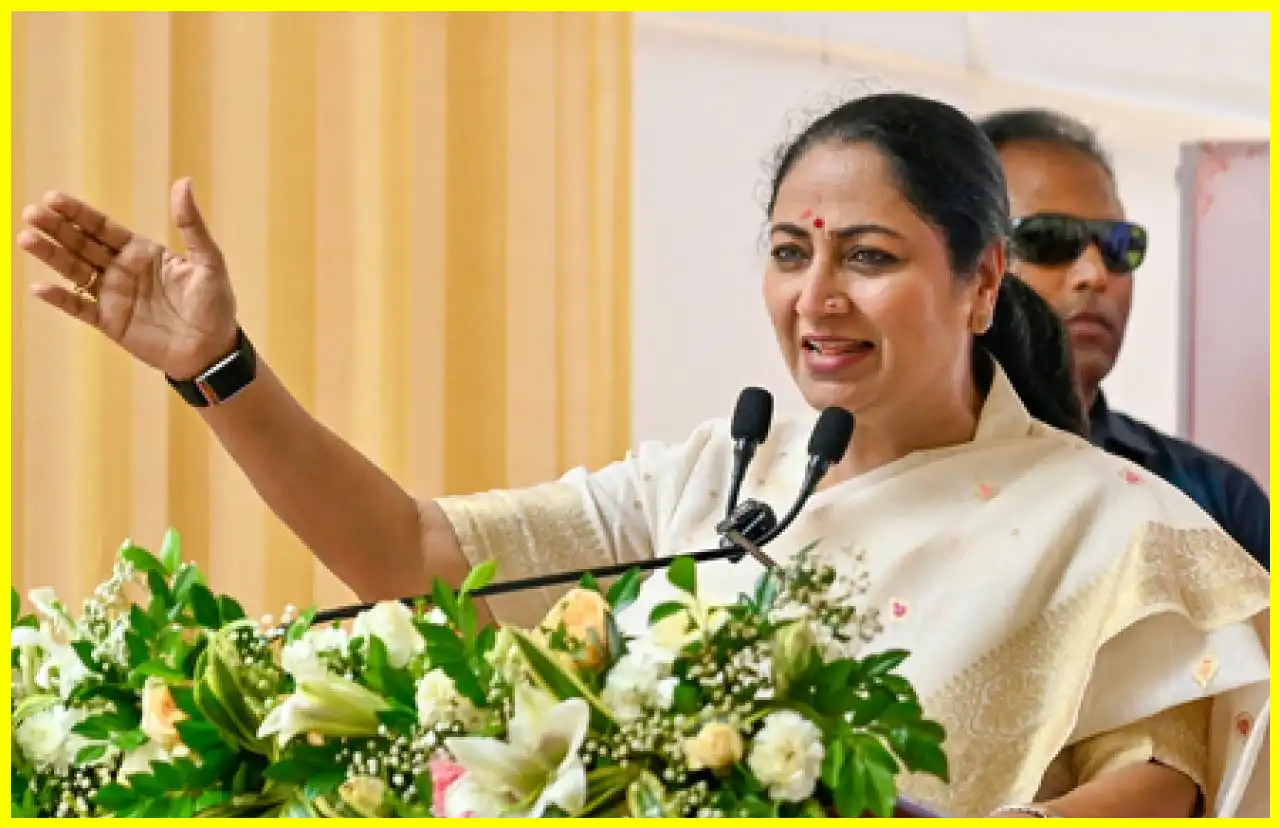
New Delhi, July 3: Chief Minister Rekha Gupta has announced the launch of the ‘Clean Air, Healthy Delhi’ project aimed at effectively tackling air pollution in the capital. This ambitious seven-year initiative, supported by multilateral organizations including the World Bank, is a significant step by the Delhi government to address the challenges of air quality.
The project aims to expedite the implementation of Delhi’s air pollution mitigation plan, advance the goals of the National Clean Air Programme (NCAP), and contribute to the vision of ‘Developed India 2047’.
To finalize preparations and establish coordination among stakeholders, a special workshop will be held on July 10. This workshop will define the roles of various departments and agencies and discuss the framework for effective and timely implementation of the program. The project is set to be implemented across all districts of Delhi from September 2026 to August 2033, with an estimated total cost of ₹8,300 crores. Of this, 65% will be funded by the World Bank, while the Delhi government will cover the remaining 35%.
Chief Minister Gupta stated that the project will focus on key areas such as transportation, road dust, construction and demolition waste, solid waste management, industry, green spaces, and water pollution. This initiative is not just a pollution control plan but a long-term investment in providing Delhi residents with clean air, better public health, and a more sustainable urban environment.
The project is based on two main pillars. The first pillar focuses on strengthening air quality management in Delhi. A dedicated Project Management Unit (PMU) will be established for effective project operations, along with the development of modern air quality monitoring systems, data analytics, and an Integrated Command and Control Center (ICCC). Improved coordination among various departments will be established, and efforts will be made to collaborate with the Indo-Ganga plains states on pollution control, while promoting scientific planning, public awareness, training, and new technologies and innovations.
The second pillar aims to reduce emissions from major pollution sources. This includes the phased removal of older, more polluting vehicles, promoting electric vehicles, enhancing public transport, and developing advanced pollution check systems for monitoring vehicle emissions.
According to the Chief Minister, all key departments and agencies of the Delhi government will work together for the successful implementation of the project. These include the Environment Department, Delhi Pollution Control Committee (DPCC), Transport Department, Public Works Department (PWD), Municipal Corporation of Delhi (MCD), Delhi Jal Board (DJB), Delhi Transco Limited (DTL), Delhi Transport Corporation (DTC), Delhi Traffic Police, Delhi Development Authority (DDA), New Delhi Municipal Council (NDMC), Delhi Cantonment Board (DCB), DSIIDC, DTTDC, and DIMTS, among others. Additionally, the Government of India’s Department of Economic Affairs (DEA) and the World Bank will be key partners in this initiative.
My name is Ganpat Singh Choughan. I am an experienced content writer with 8 years of expertise in the field. Currently, I contribute to Udaipur Kiran & Daily Kiran, creating engaging and informative content across a variety of categories including technology, health, travel, education, and automobiles. My goal is to deliver accurate, insightful, and captivating information through my words to help readers stay informed and empowered.