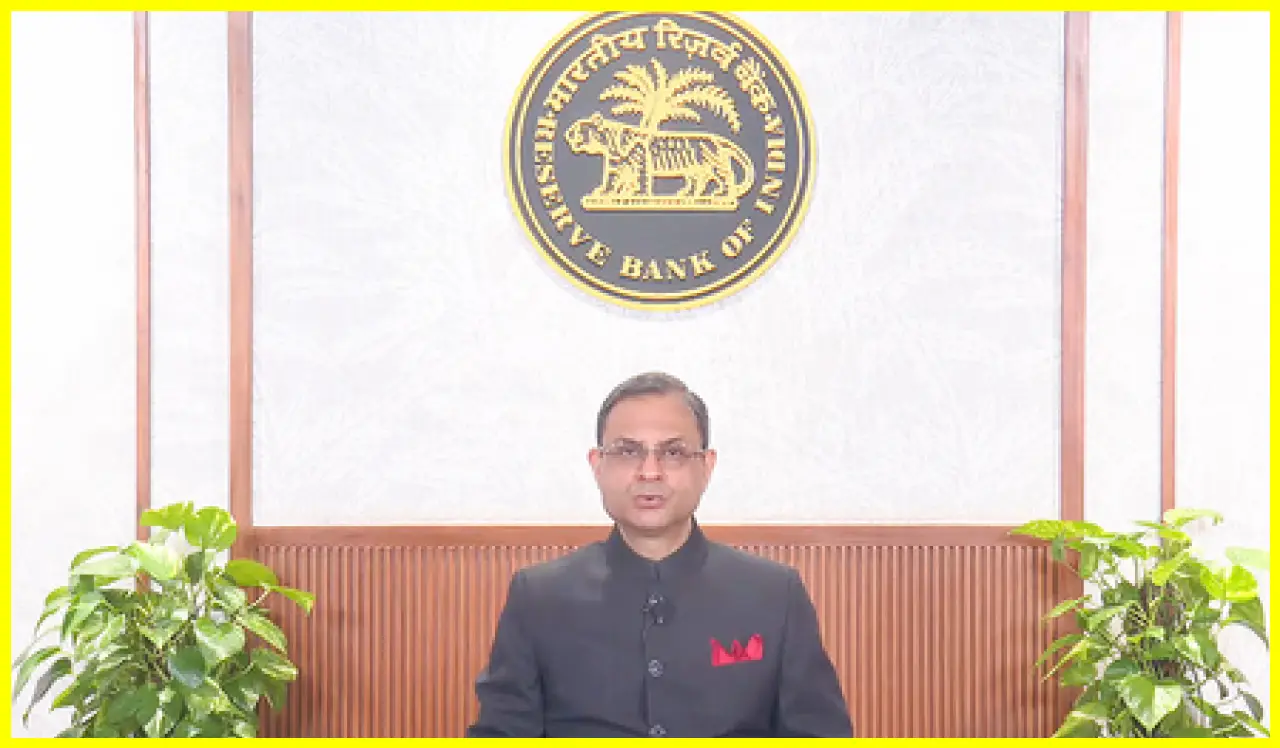
New Delhi, April 8: The Reserve Bank of India (RBI) has decided to keep the repo rate unchanged at 5.25% during its first monetary policy review for the fiscal year 2026-27, adopting a neutral stance. This decision aligns with market expectations and was unanimously approved by the six-member Monetary Policy Committee (MPC) after two days of discussions. The RBI’s move aims to maintain economic stability amidst current global uncertainties.
RBI Governor Sanjay Malhotra announced that the bank rate and the Marginal Standing Facility (MSF) rate remain at 5.50%, while the Standing Deposit Facility (SDF) rate is also held steady at 5.00%. This decision comes at a time when global economic conditions continue to pose challenges.
Malhotra described 2025 as a challenging year but noted a decrease in inflation since the policy update in October. He highlighted the improved efficiency of the banking system as a significant support for the economy.
Notably, this announcement came just hours after U.S. President Donald Trump declared a two-week ceasefire with Iran, creating a positive atmosphere in global markets and leading to a surge in the Indian stock market.
The RBI Governor projected India’s real GDP growth rate for the current fiscal year to be 6.9%. However, he cautioned that global economic uncertainties, particularly rising tensions in West Asia and high crude oil prices, could exert pressure on India’s growth rate. He clarified that external factors remain a significant risk to India’s economic momentum.
Malhotra also stated that the global economy is facing unprecedented challenges. Supply-side constraints and spikes in energy prices could lead to a resurgence in inflation. Nevertheless, he expressed confidence that India’s economic fundamentals are strong, and the country’s macroeconomic situation is more stable and capable than before.
The Monetary Policy Committee indicated that while inflation is currently under control, there remains a risk of increase. Uncertainties in weather could lead to spikes in food prices, while high crude oil prices could widen the current account deficit. Therefore, the RBI has deemed it prudent to adopt a ‘wait and watch’ strategy for now.
The RBI believes that assessing the situation rather than hastily changing interest rates is a more sensible approach in the current circumstances. The central bank has aimed for a balanced stance, striving to control inflation while supporting economic growth.
Bhupendra Singh Chundawat is a seasoned technology journalist with over 22 years of experience in the media industry. He specializes in covering the global technology landscape, with a deep focus on manufacturing trends and the geopolitical impact on tech companies. Currently serving as the Editor at Udaipur Kiran, his insights are shaped by decades of hands-on reporting and editorial leadership in the fast-evolving world of technology.